Transforming Humanitarian Logistics: Localization and Preparedness Workshops Drive a More Efficient and Locally Led Response

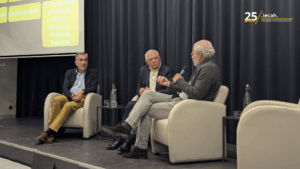
From September 29 to October 1, the Localization and Preparedness workshops took place in Copenhagen under the framework of the Humanitarian Leadership Group on Supply Chain (HLGSC). These sessions were led by UNICEF, the Danish Refugee Council (DRC), and the International Federation of Red Cross and Red Crescent Societies (IFRC), with the support of the European Commission’s Directorate-General for Civil Protection and Humanitarian Aid Operations (DG ECHO) in its role as Secretariat.
The objective of the workshops was to provide a strategic dialogue space to define concrete actions that drive the transformation of humanitarian logistics and supply chains—making them more efficient, contextualized, locally led, and better prepared for future crises.
Localization and preparedness are both essential pillars of humanitarian action that, while distinct, mutually reinforce each other. There is broad consensus among humanitarian actors on the importance of both areas; however, the need remains to advance and consolidate a genuine systemic transformation. Discussions in Copenhagen reflected a strong commitment to place local actors at the center of decision-making and to strengthen local capacities to anticipate and effectively respond to crises, with international actors playing a complementary and supportive role whenever necessary.
Over three days, representatives from around 50 organizations—including UN agencies, local and international NGOs, the Red Cross and Red Crescent Movement, donor countries, DG ECHO, the private sector, and academic research centers—shared experiences and ideas and developed a common vision to guide the transformation of humanitarian logistics and supply chains.
These workshops are part of a series of five thematic meetings organized under the HLGSC, which have also addressed procurement, digitalization, and climate sustainability. Together, they aim to redefine the strategic role of supply chains and logistics in humanitarian action, driving systemic change to enable more effective, equitable, and sustainable responses to future crises.